

Reject the Rejections — for businesses and HR teams
A People Like Us film
- Produced by new—landDirected by Amara Abbas
- In collaboration with Worth Your WhileStarring Ebenezer Gyau
- Co-written with Yasmin AliMade with Real rejection letters
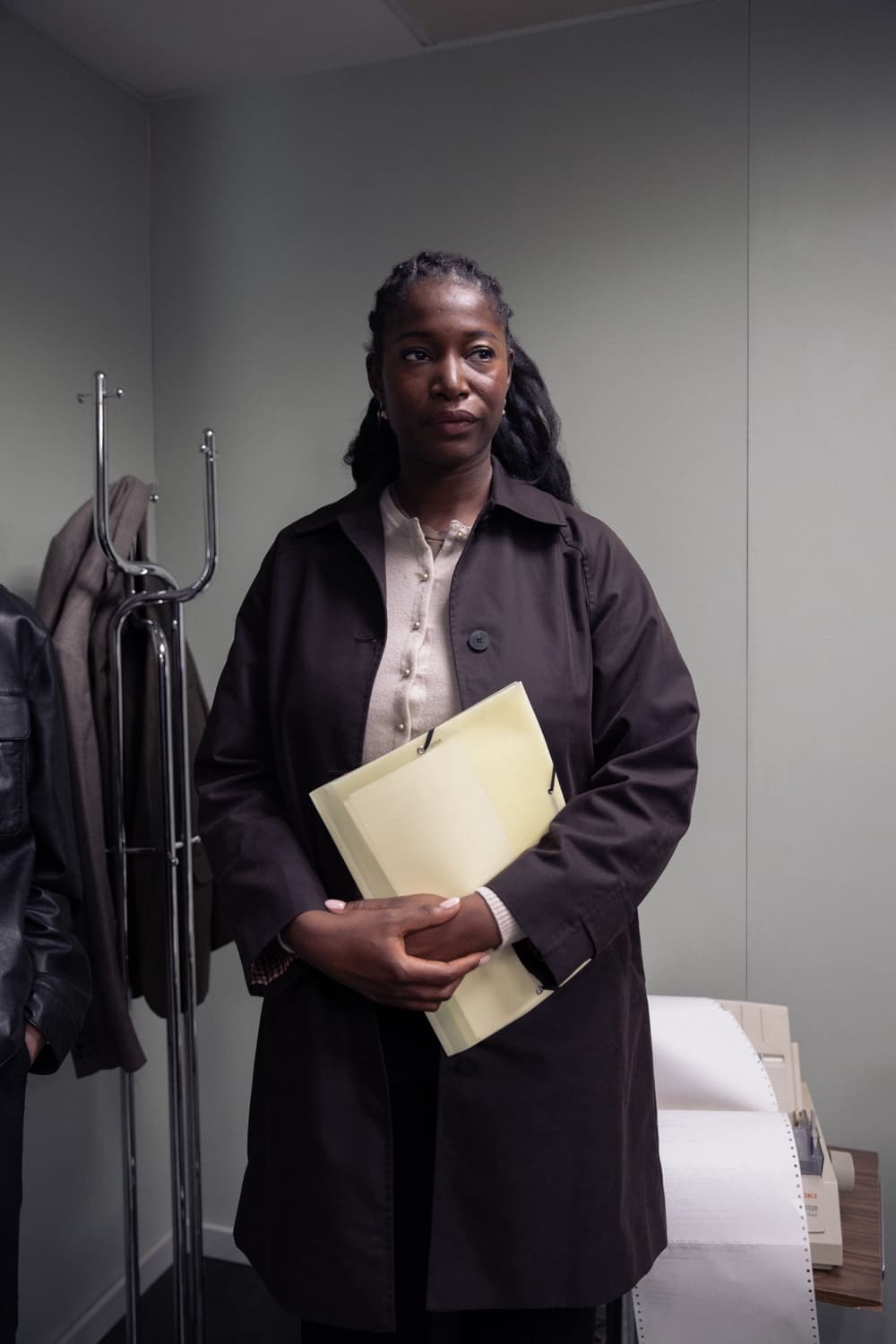
Drawn from real automated rejection emails, the cold language of corporate hiring is reimagined as a spoken-word performance, giving voice to the invisible barriers ethnic minority professionals face every day.
82% of employers who monitor their automated screening found that outcomes differed by candidates' ethnicity, while 28% don't monitor it at all.
75% of job seekers don't know that they may have a legal right to request a human review of an automated rejection.
Nobody should be rejected by a system before they are seen
Automated hiring software now stands between UK jobseekers and work, rejecting candidates in minutes, sometimes before applications have even closed. Candidates deserve to know before they apply. Help us make disclosure of automated screening a legal requirement.
Automated hiring software can carry bias. More than a quarter of employers aren't checking.
If you screen with automated tools, you may be filtering out qualified candidates in ways that are hard to detect without human oversight. The Information Commissioner's Office has found that many employers using automated decision-making in recruitment are not applying the safeguards the law requires.
15%
Only 15% of candidates have ever been told an automated system was used on their application
70%
70% of ethnically diverse job seekers have altered or hidden something from their CV including their country of origin, faith and even their name out of fear software or AI assistants would reject them.
42%
42% of job seekers have received identical or near-identical rejection emails from different employers, a sign the same software may be rejecting the same people everywhere they apply.
- People Like Us & Censuswide, 2026

What employers can do about it
How to improve success rates for Black and other ethnic minority applicants in early-career roles
Dr Claire Tyler — Senior Research Fellow, Centre for Education Policy and Equalising Opportunities, UCL

- Broaden the focus of ethnic diversity interventions and strategies to include the screening and online testing stages of recruitment, in addition to any existing focus on face-to-face assessments.
- Review the success rates of under-represented groups at each stage of the recruitment process to identify where the largest barriers occur.
- Collaborate with school and university career teams to share insights about which under-represented groups may need additional information or guidance to prepare for online recruitment assessments.
- Share research findings with race equality leads to ensure these recruitment issues are considered when planning new initiatives.
- Challenge external providers of recruitment assessments to provide data on the success rates of candidates from under-represented groups on each type of test conducted.
- Boost your organisation's social mobility strategy, as this will often tackle some of the underrepresentation of ethnic minority candidates due to the intersection of ethnicity and social background.
Source: UCL CEPEO — Testing, testing: why are Black applicants not getting graduate jobs?
Reject the rejections
Automated hiring systems are rejecting people before a human ever reads their name. Ask your MP to support better hiring transparency.


About the campaign
People Like Us champions ethnic minority talent until workplaces reflect the world they serve, holding organisations and governments accountable along the way. This campaign asks for two simple things: tell people in the job advert when automation or AI will be screening them, and check those systems for bias.